
Cold email or LinkedIn? Both channels work for B2B cold outreach, but they differ in delivery, effort, scalability and risk. This post compares the two, shows why metrics from different sources cannot be compared directly, and explains the legal frame you need to respect when contacting prospects in Germany, Austria and Switzerland. All figures come from the sources named; most are vendor data, not neutral studies.
Key Takeaways
- According to the vendor Expandi, LinkedIn campaigns average a 10.3% response rate. That is the rate for messages in automated campaigns, not for InMail.
- Cold email reply rates are only comparable on the same base. For 2025, Belkins reports 0.45% measured against all emails sent.
- LinkedIn prohibits automation tools and can restrict accounts.
- For cold email, domain authentication and spam complaints decide delivery. Google requires bulk senders to set up SPF, DKIM and DMARC and to keep the spam rate below 0.30%.
- Legally, email advertising without prior express consent is in principle not permitted in Germany, B2B included (Section 7(2) no. 2 UWG).
When LinkedIn Outreach Is the Better Choice
Response and Acceptance Rates on LinkedIn
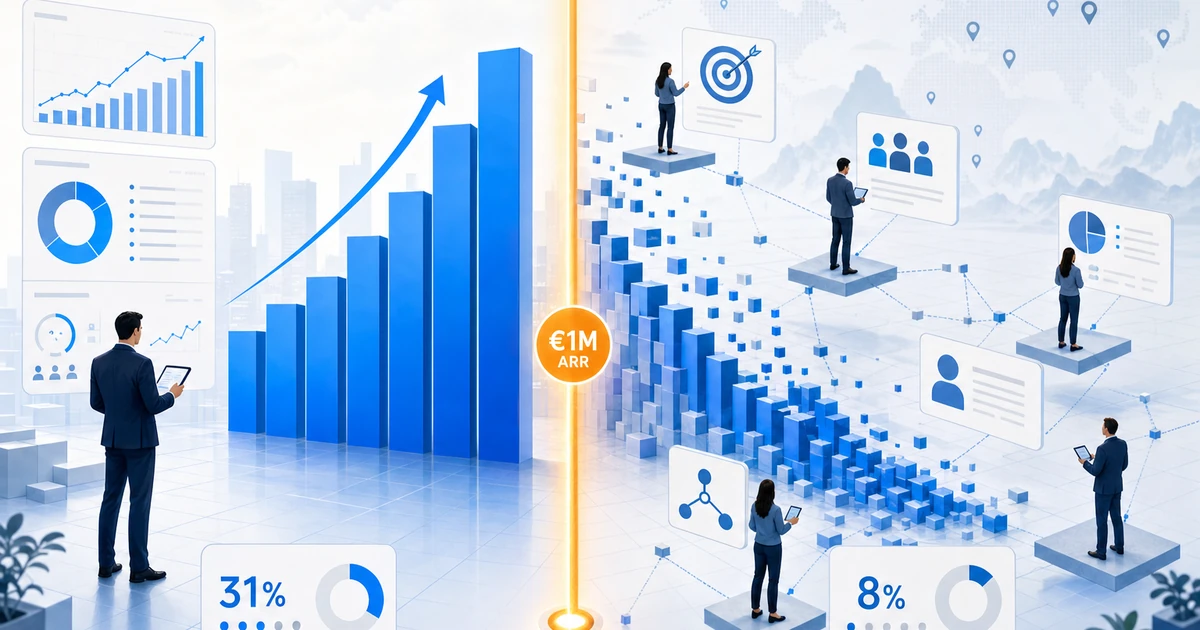
Expandi says it analysed more than 70,000 campaigns on its own platform. According to that data, the average response rate is 10.3%, and in so-called Connector campaigns 29.61% of connection requests are accepted. The data comes from users of an automation tool, so it is not an industry statistic. It still shows that LinkedIn works in a professional context where recipients see a profile, mutual connections and a role before they reply.

LinkedIn Offers No Delivery Guarantee Either
The platform cracks down on automation. LinkedIn does not allow bots, browser plug-ins or extensions that automate activity, and warns that members using such tools may have their accounts restricted or shut down. Anyone who automates therefore carries an account risk.
Cold Email: Reply Rates and Deliverability
Why Reply Rates Are Hard to Compare
Many articles set a 5.1% cold email reply rate against a 10.3% LinkedIn rate. That is problematic: the 10.3% refers to messages in LinkedIn campaigns, while the 5.1% comes from an earlier cold email analysis that Expandi attributes to Belkins. Belkins itself notes that earlier yearly figures were calculated on opened emails. For 2025, based on about 7.5 million emails sent, Belkins reports a reply rate of 0.45% against all emails sent. What matters is your own measurement on a fixed base, for example replies per delivered email.
Deliverability Is Homework
Whether a cold email reaches the inbox depends on technology and behaviour. Anyone sending more than 5,000 messages a day to Gmail addresses must, according to Google, set up SPF, DKIM and DMARC, keep the spam rate in Postmaster Tools below 0.30% and offer one-click unsubscribe. Smaller senders should treat these standards as a minimum. Good targeting and relevance reduce complaints, and a clean sending rhythm protects domain reputation.
Cost and Effort Compared
Effort per Contact
Reliable, neutral figures on cost per meeting by channel are rare, and values from vendor blogs do not transfer. Qualitatively: LinkedIn is time-consuming when done manually and carries account risk when automated. Cold email can be rolled out more broadly but needs groundwork on domains, mailboxes and data quality. A cold email marketing agency can take that groundwork over.
Scalability Versus Quality
Cold email suits broader audiences and clearly defined offers. LinkedIn fits smaller lists of high-value contacts where context and profile are part of the approach. How we set up LinkedIn outreach is described on our page on LinkedIn lead generation for B2B teams. Which channel pays off only shows when you compare your own cost per meeting and per opportunity.
Offer and Audience Beat the Channel
The result depends more on the offer, audience selection and timing than on the channel. A weak message is ignored on LinkedIn just as it is by email. Single peak values from vendor blogs say little about the average and are not a planning figure.
Personalization and Multichannel
AI for Research, Not a Substitute for Relevance
AI tools can gather information on companies and contacts and prepare drafts. Whether personalization works depends on whether the message addresses a real problem of the recipient. We found no neutral sources for reliable reply rate gains from AI, so test variants against a control group.
Combining Channels Sensibly
Combining email, LinkedIn and phone is common because contacts use channels differently. Phone and email face stricter legal requirements in Germany (see below). Plan touchpoints so that each adds value instead of just repeating.

Limit Volume, Raise Quality
Both the spam threshold for email and the account restrictions on LinkedIn argue for moderate volume and clean audience selection instead of mass sending. That also improves the relevance of each message.
What Matters in Tools and Best Practices
Requirements for Cold Email Software
A cold email tool should cover sequences, mailbox rotation, reply detection, an unsubscribe link and deliverability tracking. Prices and features change often, so check them with the vendor.
Requirements for LinkedIn Outreach Software
For LinkedIn tools, what counts most is how deeply they intervene in the platform. Because LinkedIn prohibits automation through browser extensions or bots, manual or semi-manual outreach is the lowest-risk option. If you use a tool, know the account risk and decide deliberately. For a comparison with phone outreach, see these outreach methodologies.
Timing and Follow-up Strategies
Specific weekdays and times from vendor blogs are rarely backed up and depend on audience and industry. Test send times yourself. One or two well-founded follow-ups are common; more important than the count is that each message adds a new thought. The cold outreach strategies handbook goes deeper.

Strategic Recommendations for Channel Selection
LinkedIn for Small, High-Value Audiences
If your audience is manageable and context, profile and mutual connections should be part of the approach, LinkedIn is often the first choice. Expect account risk when automating and more manual effort.
Cold Email for Larger, Clearly Defined Audiences
Cold email scales well with a clearly defined offer and clean data, but it requires a legally sound basis and technical deliverability. Combining it with LinkedIn strengthens both channels as long as the messages are coordinated.
Multichannel as a Process, Not a Tool Question
Decide which channel does which job: email for concise messages, LinkedIn for context and relationship. Measure meetings and opportunities per channel, not only reply rates. Many professionals also wonder about LinkedIn messaging, particularly profile viewing notifications, so stay transparent in your approach.
Legal Frame for Outreach in the DACH Region
Cold outreach by phone and email in Germany is governed by Section 7 UWG. Advertising calls to other market participants, that is in B2B, require at least presumed consent under Section 7(2) no. 1 UWG. Email advertising requires prior express consent under Section 7(2) no. 2 UWG, also towards companies. Section 7(3) UWG provides an exception only for existing customers whose address was collected in connection with a sale and who were clearly told about their right to object. The provision names email explicitly; for direct messages on networks such as LinkedIn, have the classification checked legally for your case.
Under data protection law, processing business contact data usually relies on legitimate interests under Article 6(1)(f) GDPR (German text), which requires a balancing of interests. If you did not collect the data from the person directly, you must inform them under Article 14 GDPR (German text), at the latest within one month. This is not legal advice; clarify your specific approach with a lawyer.
FAQ
What cold email reply rates are realistic?
It depends heavily on the base. For 2025, Belkins reports a rate of 0.45% against all emails sent; earlier, much higher figures were calculated differently according to Belkins and are not comparable. Fix a measurement base and compare your own campaigns with each other.
How do costs differ between LinkedIn and cold email?
Neutral comparison figures are rare. LinkedIn means more manual effort per contact, cold email more groundwork on domains, mailboxes and data quality. Work out cost per meeting and per opportunity from your own campaigns.
What should I look for in multichannel tools?
Look for clean sequences across channels, an unsubscribe function, deliverability monitoring and how deeply the tool intervenes in LinkedIn, because LinkedIn prohibits automation and can restrict accounts. The tool should cover your main channels; check prices with the vendor.
How do I keep my cold emails out of spam?
Set up SPF, DKIM and DMARC, offer simple unsubscribing and keep spam complaints low; Google names a spam rate below 0.30% as the limit. Choose your audience carefully so the message is relevant.